

The debate between crypto casinos and traditional online casinos has moved far beyond hype. In 2026, the difference is no longer about “Bitcoin support” or “modern design.” It is about how money flows through the system, how fast players can access it, and how much value actually returns to the player over time.
At first glance, both models look similar. You deposit, you play, and you withdraw. However, once you break down the mechanics, the gap becomes clear. The structure behind crypto casinos and traditional casinos is fundamentally different. That difference directly affects profitability, risk, and long-term outcomes.
Most players focus on surface-level features such as bonuses or game variety. That is a mistake. The real difference lies deeper, in areas like RTP efficiency, transaction costs, withdrawal behavior, and reward systems. These are the factors that determine whether you keep more of your money or slowly lose it through friction.
If you want to see how modern platforms are structured today, a current overview of high-performing casino ecosystems and player-focused platforms can be found in this breakdown of top-performing online casino platforms in 2026.
The Core Difference: System Design
The biggest mistake is treating crypto casinos and traditional casinos as the same product with different payment methods. They are not.
Traditional casinos are built on a centralized financial model. Every transaction flows through banks, payment providers, and internal risk systems. This creates friction at every step. Deposits can be delayed. Withdrawals can be reviewed manually. Fees are often hidden inside exchange rates or processing costs.
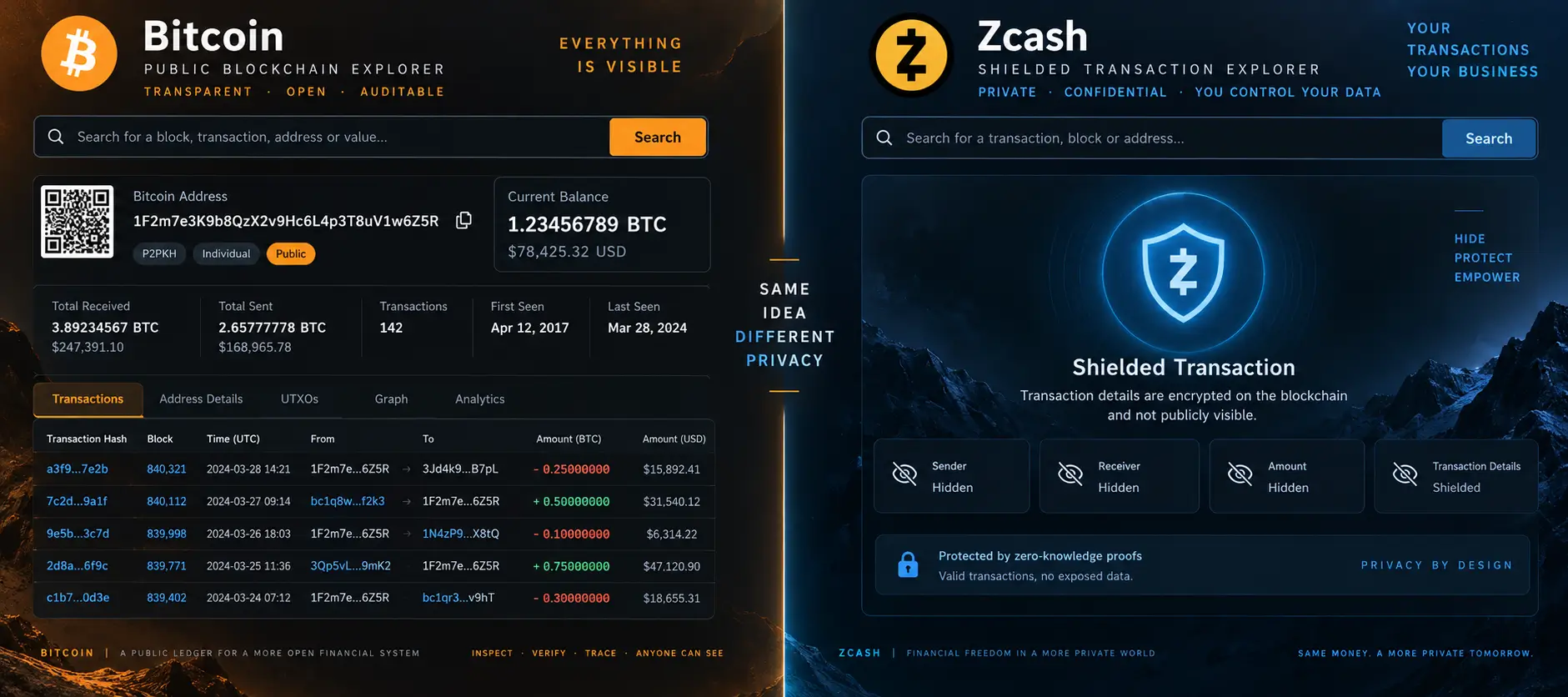
Crypto casinos remove most of that structure. Instead of relying on third-party financial systems, they operate on direct blockchain transactions. This changes how value moves.
This shift is part of a larger transition in online gambling, where platforms built around digital assets are redefining how players interact with funds. You can explore how these environments operate in detail through this guide on how modern crypto-based gambling platforms function and differ from legacy systems.
Key Structural Differences
| Aspect | Crypto Casinos | Traditional Casinos |
|---|---|---|
| Payment system | Blockchain-based | Bank/payment processors |
| Transaction speed | Instant to minutes | Hours to days |
| Fees | Low / transparent | Often hidden |
| Control | User-controlled wallets | Casino-controlled accounts |
| Processing layers | Minimal | Multiple intermediaries |
This difference is not just technical. It directly affects how much money players keep.
When you remove intermediaries, you remove costs. When you remove manual processing, you remove delays. Over time, this compounds into a measurable advantage.
RTP Reality: Where the Edge Actually Sits
Return to Player (RTP) is often misunderstood. Many players assume RTP differences between casinos are negligible. That assumption is outdated.
In traditional casinos, RTP is influenced by:
- Game providers
- Licensing restrictions
- Regional regulations
- Platform-level adjustments
This creates variability. The same slot can have different RTP versions depending on where and how it is offered.
Crypto casinos operate differently. Many platforms prioritize:
- High RTP game versions
- Provably fair systems
- Transparent mechanics
To understand why small RTP differences have a massive long-term impact, it is worth looking into how payout percentages are calculated and why they vary across platforms, explained in this in-depth breakdown of RTP mechanics and expected loss.
Practical Example
A slot with:
- 96.5% RTP vs 94% RTP
may not look significant in one session.
Over time, it is massive.
- At 94% RTP → Expected loss: €6 per €100 wagered
- At 96.5% RTP → Expected loss: €3.50 per €100
That difference compounds over hundreds or thousands of bets.
Where Crypto Gains an Edge
- More consistent high RTP availability
- Fewer region-based restrictions
- More transparency in game mechanics
The result is simple: lower expected loss over time.
Transaction Costs: The Hidden Drain
Most players underestimate how much money is lost before gameplay even begins.
Traditional casinos often involve:
- Deposit fees
- Currency conversion spreads
- Withdrawal fees
- Bank processing deductions
These costs are rarely visible upfront. They are embedded in exchange rates or processing layers.
Crypto casinos change this completely.
Cost Comparison
| Cost Type | Crypto Casinos | Traditional Casinos |
|---|---|---|
| Deposit fees | Usually none | Often present |
| Withdrawal fees | Network-based | Fixed + hidden fees |
| Currency conversion | Not required | Common |
| Processing overhead | Minimal | High |
If you want to understand the full flow of money from wallet to casino and back, including where hidden costs appear, this guide on how deposits and withdrawals actually work in online casinos breaks it down step by step.
With crypto:
- You send funds directly
- You receive funds directly
- No conversion layer in between
Even small percentage differences matter.
Example:
- 2% conversion fee on deposit + 2% on withdrawal = 4% loss
- On €1,000 → €40 lost before gameplay
Crypto eliminates most of this.
Withdrawal Behavior: Where Most Players Lose Trust
Withdrawals are the most important part of any casino experience. This is where differences become obvious.
Traditional Casinos
Withdrawals often involve:
- Manual review processes
- KYC verification stages
- Payment provider delays
- Daily or weekly limits
Even legitimate platforms can take:
- 24–72 hours
- Sometimes longer under review
The issue is not always fraud. It is structure. Traditional systems require checks and approvals because they rely on centralized financial networks.
Crypto Casinos
Crypto withdrawals are typically:
- Automated
- Processed within minutes
- Direct to wallet
However, there is an important nuance.
Speed depends on:
- Platform policy
- Account behavior
- Risk flags
If you want a deeper understanding of what actually happens during withdrawals, including delays and verification triggers, this breakdown of real payout speeds and what affects them in practice explains it in detail.
Real Outcome
- Traditional casinos → Slower but structured
- Crypto casinos → Faster but dependent on system automation
Over time, faster access to funds improves liquidity for the player. This indirectly increases profitability because funds are not locked.
Bonus Systems: Immediate Value vs Controlled Value
Bonuses are where most players get misled.
Traditional casinos focus on:
- Large welcome bonuses
- High wagering requirements
- Maximum cashout limits
These offers look attractive but often reduce real value.
Crypto casinos often shift away from this model.
Instead of heavy bonuses, they focus on:
- Rakeback systems
- Cashback mechanics
- Real-time rewards
This creates a different experience.
If you want to understand why most bonuses are designed the way they are and how they impact your actual returns, this detailed explanation of how casino bonus systems really work behind the scenes breaks down the mechanics.
Traditional Bonus Model
- High bonus amount
- High wagering requirement
- Delayed value
Crypto Reward Model
- Lower upfront bonus
- Continuous reward system
- Immediate value return
The second model is more efficient for active players.
Real Profitability: What Players Actually Keep Over Time
Profitability is not about winning sessions. It is about how much money survives the full cycle — deposit, gameplay, withdrawal.
Most players ignore this. They look at wins, not at leakage. The leakage is where the difference between crypto and traditional casinos becomes obvious.
To understand that, you need to look at the full flow of money. Not just gameplay, but everything around it. A good baseline for this is how the entire casino system actually works from start to finish, explained here:
how the full online casino system operates in practice
The Real Math Behind Losing Money
Loss does not come from one place. It builds up across layers.
What actually affects your balance
- RTP (expected loss)
- Fees (deposit + withdrawal)
- Bonus efficiency
- Withdrawal access
Individually, small. Together, brutal.
Simple Example (1,000€ cycle)
| Factor | Crypto Casino | Traditional Casino |
|---|---|---|
| RTP loss | -35€ | -60€ |
| Fees | -5€ | -40€ |
| Bonus return | +25€ | +10€ |
| Result | -15€ | -90€ |
Nothing here is extreme. This is just how systems behave.
Crypto reduces friction. Traditional stacks it.
Liquidity: The Thing Almost Nobody Talks About
Liquidity = how fast you can access your money.
This matters more than most think.
Traditional casinos:
- Withdrawals take time
- Money gets locked
- Payment providers slow everything down
Crypto casinos:
- Faster withdrawals
- Direct wallet access
- No banking layer
If you want to understand where delays actually happen and why some withdrawals take longer than expected, this explains what really goes on after you click withdraw:
what affects withdrawal speed and payout timing
Higher liquidity means:
- You control your money
- You are not waiting on systems
- You can react faster
That alone changes long-term results.
Risk: Where Crypto Can Go Wrong
Crypto casinos are more efficient. But they are not automatically safer.
Different system → different risks.
1. Trust is Not Guaranteed
Some platforms operate without strong oversight.
That means:
- No clear ownership
- Weak accountability
- No fallback if something goes wrong
If you don’t understand how licensing affects reliability, you are guessing. This explains what makes a casino actually trustworthy:
how licensing structures define trust and player protection
2. “No KYC” Is Not Always Real
A lot of platforms advertise no verification.
Reality:
- Small withdrawals → usually fine
- Larger withdrawals → checks appear
This catches many players off guard.
If you want to understand when verification kicks in and why accounts suddenly get flagged, this breaks down how identity checks actually work in practice:
when casinos require verification and why it happens
3. You Carry More Responsibility
With crypto:
- You control the wallet
- You control the funds
- You carry the risk
Mistakes are not reversible.
Security is not just a platform issue. It is a user issue.
If you want to understand how platforms protect users and where things can fail, this explains how casino security systems are built and where the weak points are:
how casino security and protection systems actually work
4. Lower Barrier = More Bad Platforms
Crypto made entry easier.
That also means:
- More low-quality casinos
- More aggressive bonus traps
- More unclear terms
You need to filter properly.
If you don’t know what to look for, you will eventually run into problems. This explains how scams actually happen and how players get caught:
how to identify casino scams before they affect you
Where Traditional Casinos Still Hold Ground
Crypto is more efficient. But traditional casinos still win in certain areas.
Regulation
Licensed casinos offer:
- Clear legal structure
- Defined rules
- Dispute channels
Less freedom, but more structure.
Predictability
Traditional systems are stable:
- Fixed processes
- Known behavior
- Less variation between platforms
Crypto platforms can vary a lot.
Fiat Stability
Crypto introduces volatility.
That means:
- Your balance can change without playing
- Gains can shrink
Traditional casinos avoid that.
What This Means in Reality
Crypto casinos:
- Better efficiency
- Faster money movement
- More control
Traditional casinos:
- More structured
- More regulated
- More predictable
The difference is simple:
Crypto gives you more control and efficiency.
Traditional gives you more structure and safety layers.