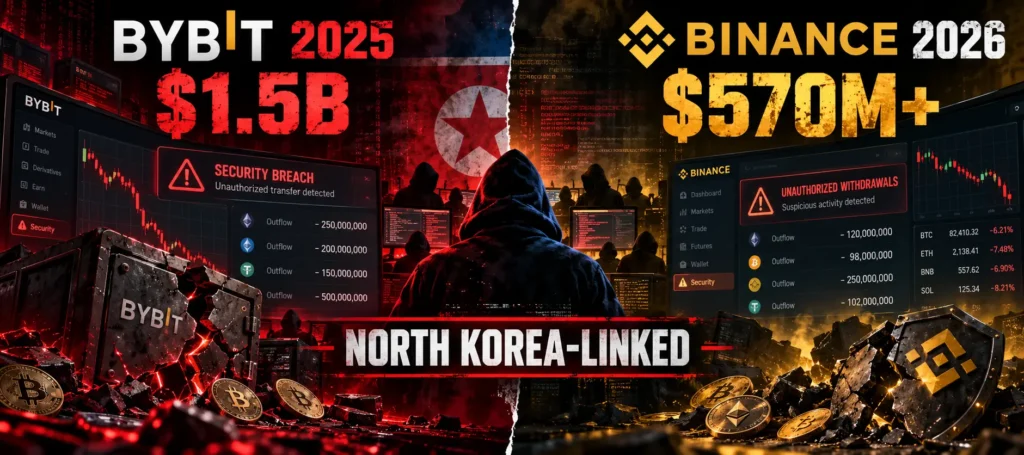
Two of the largest crypto heists in history landed less than two years apart.
Bybit lost roughly $1.5 billion in February 2025. Binance reported an estimated $6.3 billion impact starting late on 29 October 2026.
Both attacks show attribution patterns tied to North Korea-linked grou ps tracked as TraderTraitor or Lazarus. The short window between them is not coincidence. These events point to structural weaknesses in operational security, hot-wallet design and threat response.
The industry now faces accelerating risks from state actors, AI-driven attacks and quantum computing.
This piece walks through what happened at Binance.com, the common pattern and the immediate fallout to the next layer of threats.
1. How the Binance Hack Happened
Let’s keep this clear and straightforward. Binance incident started around 20:05 UTC on 29 October 2026.
Hackers moved assets accross 9 to 10 chains, with the largest losses on Ethereum. The total impact is estimated roughly $6.3 to $6.36 billion with up to 3 billions asset freezed by Tether and Circle.
At the time of writing this piece, there’s no preliminary findings point except compromised DevOps engineer’s laptop. Hackers wrote unauthorized withdrawal nonce contract and spam withsubmissions. This is a complex attack as there’s no evidence of a private-key leak.
Here’s a brief details on how the hackers pulled out $6 billions from Binance.com:
- A DevOps engineer’s laptop was compromised, giving the attacker access to an internal service container.
- From that container the attacker submitted unauthorized withdrawal transactions across multiple chains.
- On Ethereum the attackers used EIP-7702 to delegate a hot wallet to an outside contract that acted as a sweeper.
- Ordinary transfers handled the remaining assets on other chains (Bitcoin, Tron, Avalanche, Polygon and others).
- Prior testing activity appeared through Tornado Cash before the main outflows began.
- The largest single moves happened in a tight window of roughly 20 minutes starting late on 29 October.
2. Why Crypto’s Biggest Hacks Keep Happening
Bybit and Binance hacks share the same root causes.
Hot wallets remain necessary for fast withdrawals and customer experience, yet they create large, online targets. A single compromised laptop or a manipulated signing interface can open the door.
Internal systems have grown complex enough that one operational foothold can cascade into multi-chain outflows. State actors bring patient resources, custom tooling and the ability to wait for the right moment.
After Bybit the industry talked about better signing verification and reduced reliance on single interfaces. Many platforms improved monitoring, yet the same class of operational compromise appeared again at larger scale.
3. Immediate and Broader Consequences
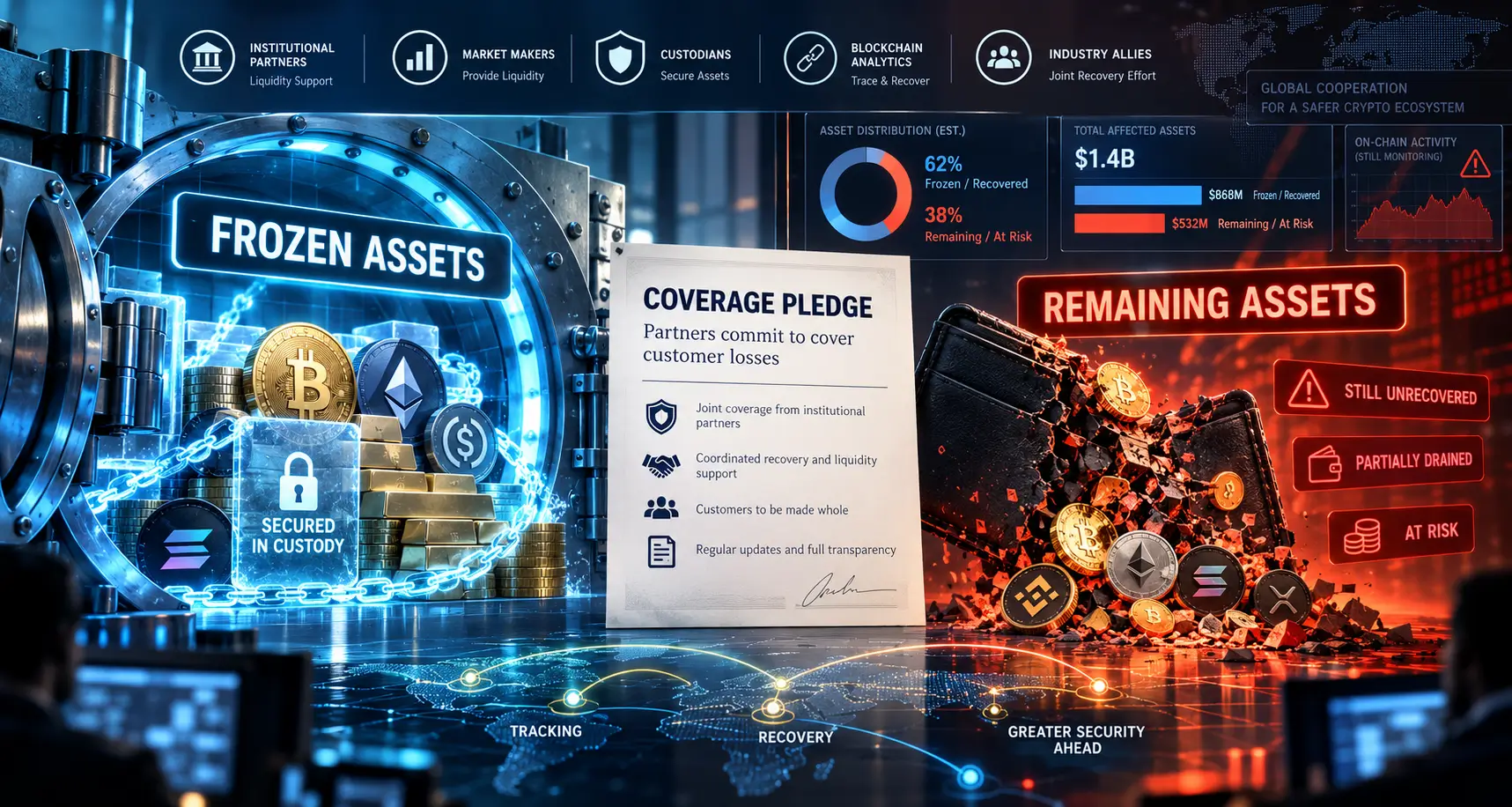
Roughly $2.7 to $3 billion has been frozen so far through Tether, Circle, Ripple, World Liberty Financial, Arbitrum and other partners. The remaining exposure sits mainly in BTC and ETH still controlled by the attacker.
Binance paused withdrawals while it revamped the withdrawal service and revoked affected address authorizations. It pledged full coverage from the SAFU fund and company resources, and reserved more than $6.34 billion for the purpose.
The wider implications reach beyond one platform because large, successful attacks increase pressure for tighter regulation, higher insurance costs and more caution from institutions.
Henceforth, every repeated multi-billion-dollar event raises the bar for what counts as acceptable operational risk.
4. The Next Layer of Existential Threats
State-sponsored teams already demonstrate the ability to combine social engineering, supply-chain compromise and on-chain execution at scale. AI accelerates the same playbook. It speeds vulnerability discovery, exploit generation, targeted phishing and the creation of convincing fake interfaces.
Even Elon Musk go far by acknowledging that “Super intelligence agents will at some point do this to gain currency for themselves, not a human”.
Definitely right, and by far autonomous agents can probe systems continuously and adapt faster than manual review cycles.
The hardcore part is that Quantum computing adds a longer-term layer. Current ECDSA signatures and any exposed public keys remain vulnerable once sufficiently powerful quantum machines arrive. This put 80 billions dollars worth of Satoshi’s bitcoin into a red zone.
5. How the Industry Can Finally Build Real Resilience
Zero-trust architectures, multi-party computation or threshold signing, and sharply reduced hot-wallet exposure limit the damage from any single compromised endpoint.
Real-time anomaly monitoring that specifically flags unusual EIP-7702 delegations or sudden multi-chain sweeps can cut response time. Systematic industry coordination matters just as much. Shared intelligence feeds and pre-agreed freeze protocols let stablecoin issuers, chains and exchanges act in minutes rather than hours.
Operational and signing security upgrades
- Move to zero-trust architectures so no single compromised endpoint grants broad access.
- Adopt multi-party computation or threshold signing to remove single points of approval.
- Sharply reduce hot-wallet exposure and keep the majority of assets in offline or highly restricted setups.
- Deploy real-time anomaly monitoring that flags unusual EIP-7702 delegations, sudden multi-chain sweeps and abnormal withdrawal patterns.
Industry coordination
- Build shared intelligence feeds so exchanges, stablecoin issuers and chains see the same threat signals quickly.
- Pre-agree freeze protocols so partners can lock assets in minutes rather than hours.
- Standardize post-incident communication and proof-of-reserves updates so users receive consistent information.
Using AI for defense
- Deploy automated detection of anomalous signing behavior and phishing campaigns.
- Monitor supply-chain and dependency changes for early signs of compromise.
- Use AI agents to continuously probe internal systems for weaknesses before attackers do.
Post-quantum and longer-term preparation
- Set concrete migration timelines for post-quantum signature schemes and address formats.
- Reduce exposure of public keys where possible and plan address hygiene upgrades.
- Treat quantum risk as a scheduled engineering task rather than a distant research topic.
User, institutional and ecosystem practices
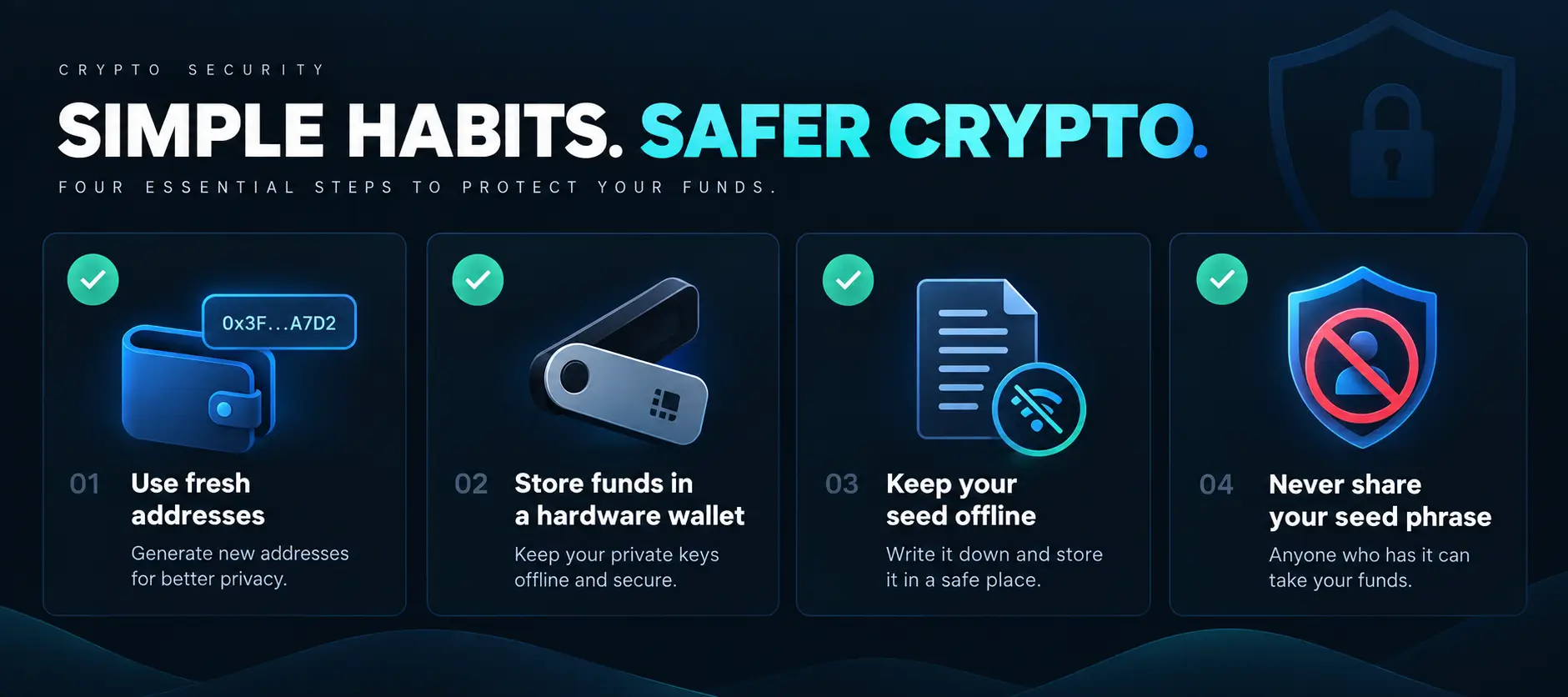
- Keep long-term holdings in self-custody on hardware wallets.
- Diversify across venues and never leave large balances on a single exchange.
- Use insurance where available and demand measured custody standards from providers.
- Treat every centralized platform as a temporary trading venue rather than permanent storage.
6. What Binance Users Can Do Right Now to Secure Their Funds
Binance’s official statements have been consistent.
“Binance will cover all losses from the SAFU fund and the company’s funds. User funds are safe. We will also publish an updated Proof of Reserves once the remediation is complete.”
A later update noted that Binance has reserved over $6.34 billion of company funds to cover the incident, with $5 billion already held in the exact token assets impacted and the remaining amount being purchased via market and OTC channels.
Roughly $3 billion is currently frozen with industry partners.
Meantime trading alternatives (while Binance withdrawals remain paused or for diversification)
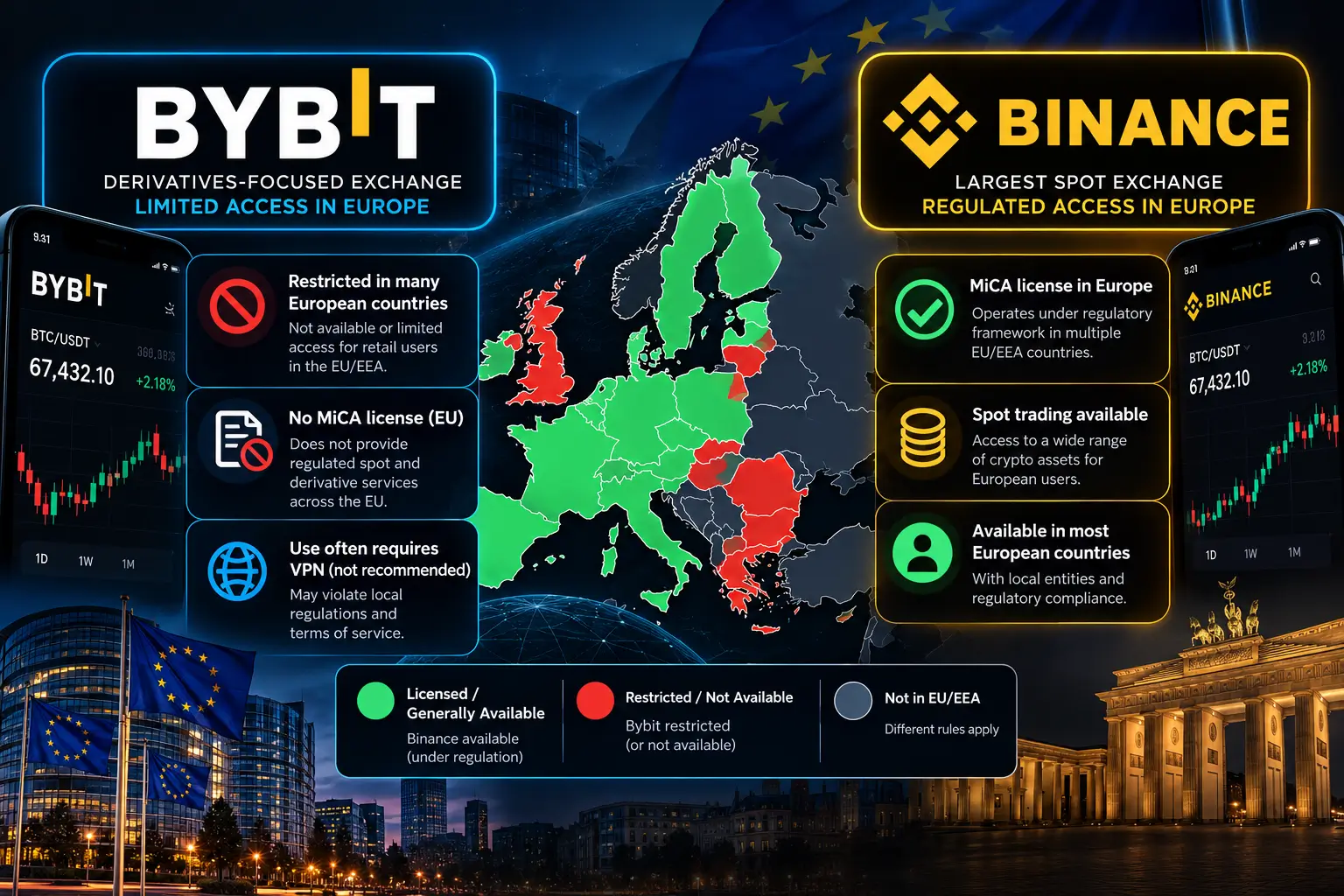
- Bbybit: strong regulatory posture.
- Kraken: long operating history and a high focus on security practices.
- OKX and Bitget: large regulated platforms with broad asset support.
- Treat every centralized venue with the same operational-risk awareness. Bybit also experienced a major 2025 incident.
- Do not keep large balances on any single exchange long-term. Use these platforms primarily for active trading and move idle funds to self-custody or diversified custody solutions.
7. Conclusion
The path from Bybit’s $1.5 billion loss to Binance’s $6.3 billion impact shows the same structural weaknesses repeating at larger scale. Partial progress is visible, yet it remains incomplete. Durable resilience requires simultaneous action across multiple layers.
The window for building these defenses is open now. The next incident, or the arrival of more capable AI and quantum tools, will be harder to contain if the industry and its users wait. Real resilience is achievable through sustained collective and personal effort.
More security guides and market updates live in our Crypto Security category.
Stay Updated
For daily alerts, honest analysis and the newest developments, follow us on X at @FreeCoins24 and join the conversation on Telegram at t.me/FreeCoins24.
FAQ: Binance Hack 2026 and Industry Resilience
How large was the Binance incident on 29 October 2026?
Binance estimated the total impact at roughly $6.3 billion across multiple chains. Analysts described it as the largest crypto theft on record.
What caused the Binance breach according to preliminary findings?
A compromised DevOps engineer’s laptop that allowed access to a service container and unauthorized withdrawal submissions. No evidence of a private-key leak was reported.
How much of the stolen assets has been frozen?
Roughly $2.7 to $3 billion so far, mainly stablecoins, through Tether, Circle and other partners.
Will Binance cover user losses?
Yes. The exchange stated it will cover all losses from the SAFU fund and company funds, and reserved more than $6.34 billion for that purpose. User funds are described as safe.
When will Binance withdrawals resume?
Withdrawals were paused while the security revamp finished. One update referenced an expected timeline of roughly 45 hours after the pause. Check official Binance channels for the latest status.
Was the attack linked to North Korea?
A: Blockchain analysts including TRM Labs attributed it with high confidence to TraderTraitor / Lazarus patterns, the same groups linked to the 2025 Bybit incident. Official confirmation continues.
How is this similar to the Bybit hack?
Both involved operational access and signing infrastructure rather than pure private-key theft. Both produced rapid multi-chain outflows attributed to the same threat groups.
What can users do while withdrawals are paused?
Rely only on official Binance channels, ignore phishing, monitor balances and prepare security settings for when services resume. Consider self-custody for long-term holdings once withdrawals reopen and systems are verified.
Are other exchanges safer right now?
Every centralized exchange carries operational risk. Coinbase, Kraken, OKX and Bitget are commonly cited regulated alternatives, but none is immune. Diversify and prefer self-custody for idle funds.
What does real resilience require?
Better operational and signing security, faster industry freeze coordination, AI used for defense, concrete post-quantum migration plans, and users who treat exchanges as temporary venues rather than long-term vaults.